Posts Tagged ‘small kitchen appliances’

Kitchen Juicers Review | Citrus Juicers | Juice Extractors

Monday, May 5th, 2008

With a kitchen juicer you’ll be able to extract fresh juice from various fruits and vegetables, juice that will benefit your health greatly because it has a huge nutrient value, it is easy digested and you can control the amount of sugar in it.

Kinds of kitchen juicers

The juicers can be divided into two basic types…

  • citrus juicers
  • juice extractors

Some other devices, made especially for wheat grass and other hard treatable vegetables, are also available. However, it will be wiser if you select a general-purpose juice extractor that can process all kinds of fruit and vegetables.

Citrus juicers

Citrus juicerThese devices are designed only for citric fruits, such as oranges, lemons and grapefruits. They are cheaper than juice extractors and function by means of a ribbed cone, on which the inside part of half of fruit is crushed.

There are hand citrus juicers, for example in the form of a press, which will be activated by means of a handle, and electrical citrus juicers; some of them are just an attachment for a stand mixer.

Here are some of the qualities that make for a good citrus juicer…

  • different-sized cones for extracting juice from fruits with different diameters.
  • a strainer for adjusting the content percentage of fruit pulp in the juice. In general, juice containing more pulp is thicker and has more nutrients.
  • a spout that you can use to pour the juice directly into a utensil. It is best if the spout is high enough to put tall glasses under it. The same also refers to the centrifugal juice extractors below.

Click here to view some high quality citrus juicers.

Juice extractors

These devices have far more functions than citrus juicers; that’s why some of them cost more than $400. They can be divided into two basic types…

  • centrifugal juice extractors
  • masticating juice extractors

1. Centrifugal juice extractors

Centrifugal juice extractorThis kind of kitchen juicer is a good variant for preparing juice quickly. It cuts the product by means of a rotating blade and rotates the obtained pulp at high speed to extract the juice from it.

When choosing such a juicer, look for a model that ejects the produced pulp into a separate container. This will enable you to extract juice for a long time without having to stop to clean up; this is in contrast to juicers that gather the pulp in the same box where the food to be processed is cut. In addition, machines that have a separate container for pulp become unstable less often.

The disadvantage with centrifugal juice extractors is that you can’t use them for hard-treatable products, such as hard vegetables, leafy greens and fibrous vegetables. Further, rotating at high speed produces heat, which has a bad effect on the enzymes in the produce. The juice also becomes oxidized, which reduces the nutrient content.

2. Masticating juice extractors

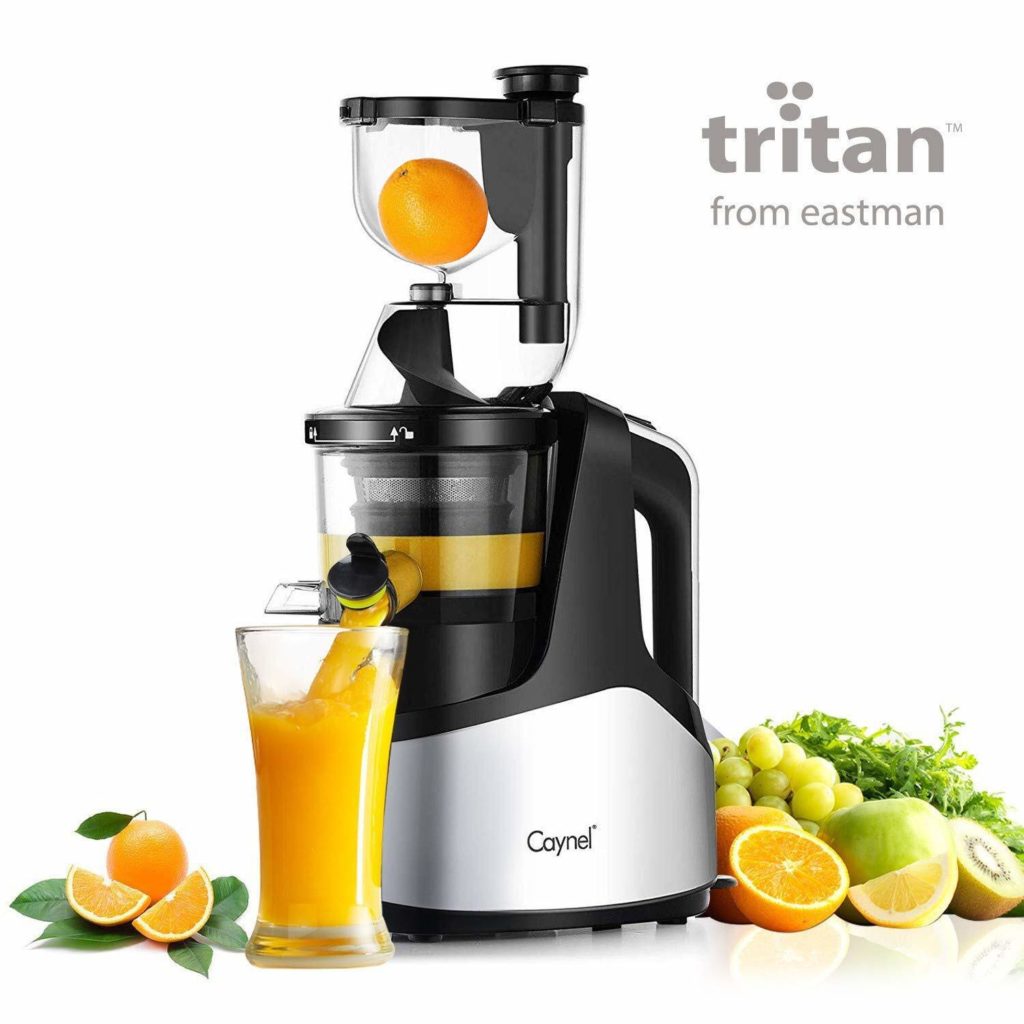
Masticating juice extractorThese devices are usually more expensive than centrifugal juice extractors, but you can use them for a great variety of foods, including hard, leafy and fibrous vegetables. By adding different attachments to them, you can make pasta, nut foods, baby foods, frozen desserts, paste, sauces, etc.

These kitchen juicers grind the product until a pulp is obtained, and then press it in order to extract the maximum amount of juice from it. One strong advantage of this type of juice extractor is that the operating speed is slow, which prevents oxidation and avoids excessive heat. Thus, your juice will have more fiber, enzymes, vitamins and minerals.

Some masticating juice extractors can even stabilize the juice, keeping it fresh for a longer time.

Click here to view some high quality juice extractors.

Factors to consider when selecting kitchen juicers

First decide what kind of juicer you need, then think about the following…

1. Guarantee: look for a juicer that will last for years. You will be able to use it every day without worrying about whether it will break down.

2. Ease of use: you have to work with your juicer with ease, because otherwise you will not use it. It has to be…

  • comparatively easy to lift and carry.
  • if the device is electrical, it should not vibrate much and must be comparatively silent during operation. Kitchen juicers that spin at high speed, such as centrifugal ones, tend to vibrate and be noisy.
  • it is a good idea if the electrical juicer can spin in reverse, in case it clogs with pulp.

3. Easy to clean: it should be easy to clean after use. It will be wonderful if it has easily removable component parts, which can be cleaned individually in a dishwasher.

4. Power: the power of the machine affects the variety of foods that you will be able to process. A powerful motor (one with high wattage) will not slow down even when processing harder foods; therefore the risk of damage is smaller.

5. The amount of prepared juice: with a quality juicer you will extract a greater amount of juice from the produce. With a cheap juicer you will need to buy more produce to obtain the same amount of juice extracted with an expensive juicer, and so it will cost you more over time.

6. The size of the juicer: the juice extractor takes up space, but it will be good if you can leave it on the countertop for ease of use.

7. The feed tube size: the wider the chute where you will place the produce, the less labor and time you will need to spend in preparing it.

Some juice extractors have an extra, wider feed tube, to put large items of produce such as apples and tomatoes, without chopping them into tiny pieces.

8. Availability of spare parts.

9. A place for the cable.

Ganka Vasileva is the owner of http://www.helpful-kitchen-tips.com, a website containing useful information about the kitchen; about the equipment of this greatly-used room in our home that occupies a special place in our lives. Buying guides for kitchen cutlery, small appliances, cookware & bakeware, kitchen furniture, storage & organization, plumbing, etc.

Stand Mixers Review | Kitchen Mixers

Wednesday, April 30th, 2008

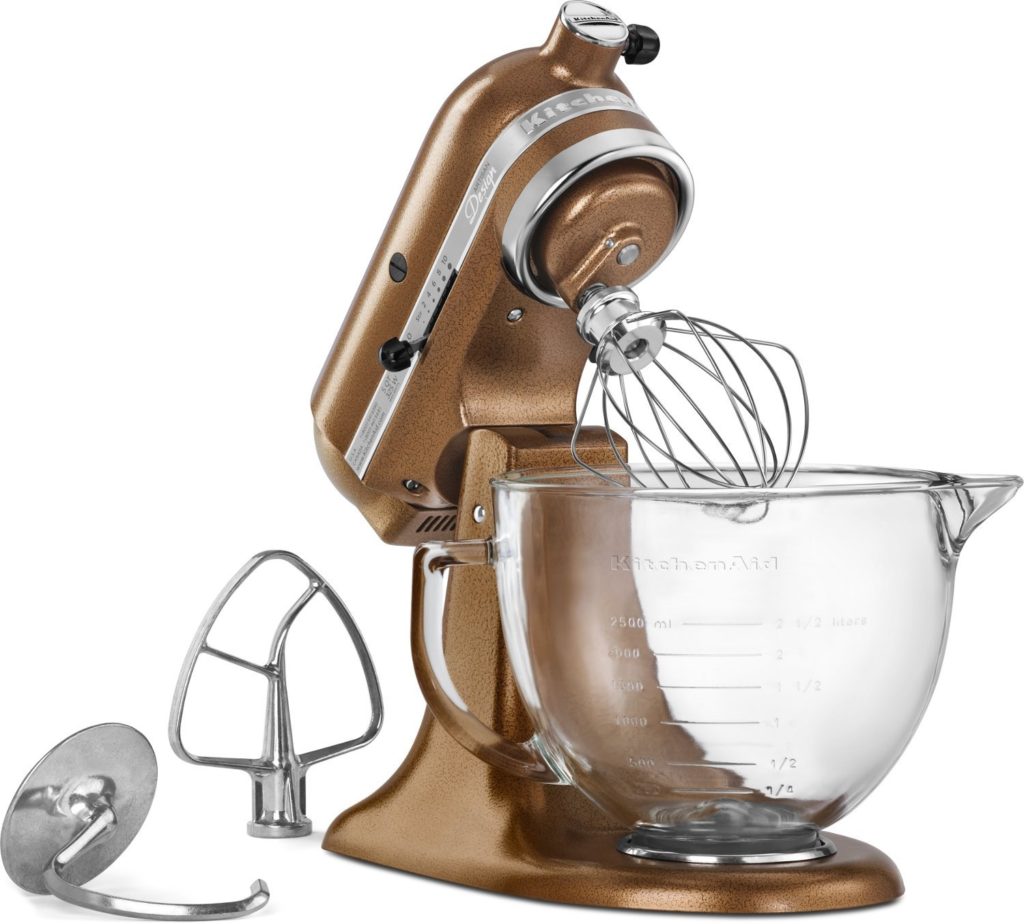
KitchenAid stand mixer

With the help of kitchen mixers, along with their different attachments, you can make a variety of delicious foods. For example, doughy goods, ice-cream, fresh fruit and vegetable juice, sausages, etc.

There are two types of kitchen mixer:

  • hand (portable) mixers
  • stand (stationary) mixers

Which type of mixer will work best for you depends on how often you use it and especially what you use it for. If you prepare meals frequently, using techniques that require the serious use of a mixer, stand kitchen mixers are the better choice.

Most stand mixers are equipped with a working bowl, flat beater to beat basic ingredients (for example, batter for pancakes), a hook to knead dough (for example, for bread) and a wire whip to beat egg whites or cream.

You can also add different attachments to these kitchen mixers. You usually buy them separately and they may include a…

  • citrus juicer
  • sausage stuffer
  • ice-cream maker
  • food grinder (for meat, for example)
  • pouring shield
  • extra bowl for mixing…

The price of stand mixers can exceed $500, depending on their functionality and construction.

Characteristics of stand kitchen mixers

1. Capacity: the mixing bowls of most stand kitchen mixers have from 4.5 to 7 quarts (5.1 to 8 l) capacity. The greater the capacity, the more cups of flour or dough you can work with at the same time.

2. Power: the power of the mixer is measured in watts. The more watts of electricity your mixer uses during its operation, the more easily it will mix the ingredients. In addition, when the power is greater than about 300 watts there is a reduced likelihood that your mixer will be overloaded and burn out.

3. Number of speeds: the greater number of speeds your mixer has, the better control you will exercise on the beaten mixture. Usually, stand mixers have more speeds than hand mixers.

4. Movement: the beaters with some stand kitchen mixers turn not only around their axis, but circle around the inner part of the bowl as well. Thus, the ingredients mix with accurate consistency, and it is not necessary to scrape them from the bowl.

5. Design: these are strong, metal kitchen mixers. It is possible, in some cases, to raise the hubs to gain easier access to the bowl, to change the attachments or to clean the mixer.

The bowls are most frequently made of stainless steel or glass. Many of them have a handle plus spout to help you work more comfortably.

Advantages of stand kitchen mixers in comparison with hand mixers…

  • they save you time. It is not necessary to hold the mixer while it is operating, so you are free to do some other work, for example, cleaning or tidying your kitchen.
  • with their various attachments, they are very versatile, allowing you to perform a greater range of tasks with them.
  • they have greater power and strength; you can use them for more heavy-duty tasks or for a greater volume of work.

Disadvantages…

  • stand mixers take up space. Because of their size and weight (some weigh more than 20 pounds (9.1 kg)) you may wish to put your mixer on the kitchen countertop, so you need to make sure you leave enough space for it.

Click here to view some high quality stand mixers.

See also:

Ganka Vasileva is the owner of http://www.helpful-kitchen-tips.com, a website containing useful information about the kitchen; about the equipment of this greatly-used room in our home that occupies a special place in our lives. Buying guides for kitchen cutlery, small appliances, cookware & bakeware, kitchen furniture, storage & organization, plumbing, etc.

Hand Mixers Review | Kitchen Mixers

Wednesday, April 30th, 2008

KitchenAid hand mixer

With the help of kitchen mixers, along with their different attachments, you can make a variety of delicious foods. For example, doughy goods, ice-cream, fresh fruit and vegetable juice, sausages, etc.

There are two types of kitchen mixer:

  • hand (portable) mixers
  • stand (stationary) mixers

Which type of mixer will work best for you depends on how often you use it and especially what you use it for.

You can use hand mixers mostly for easier jobs that you do occasionally; for example, beating egg whites or cream, preparing batter for pancakes or biscuits, mashing potatoes, etc.

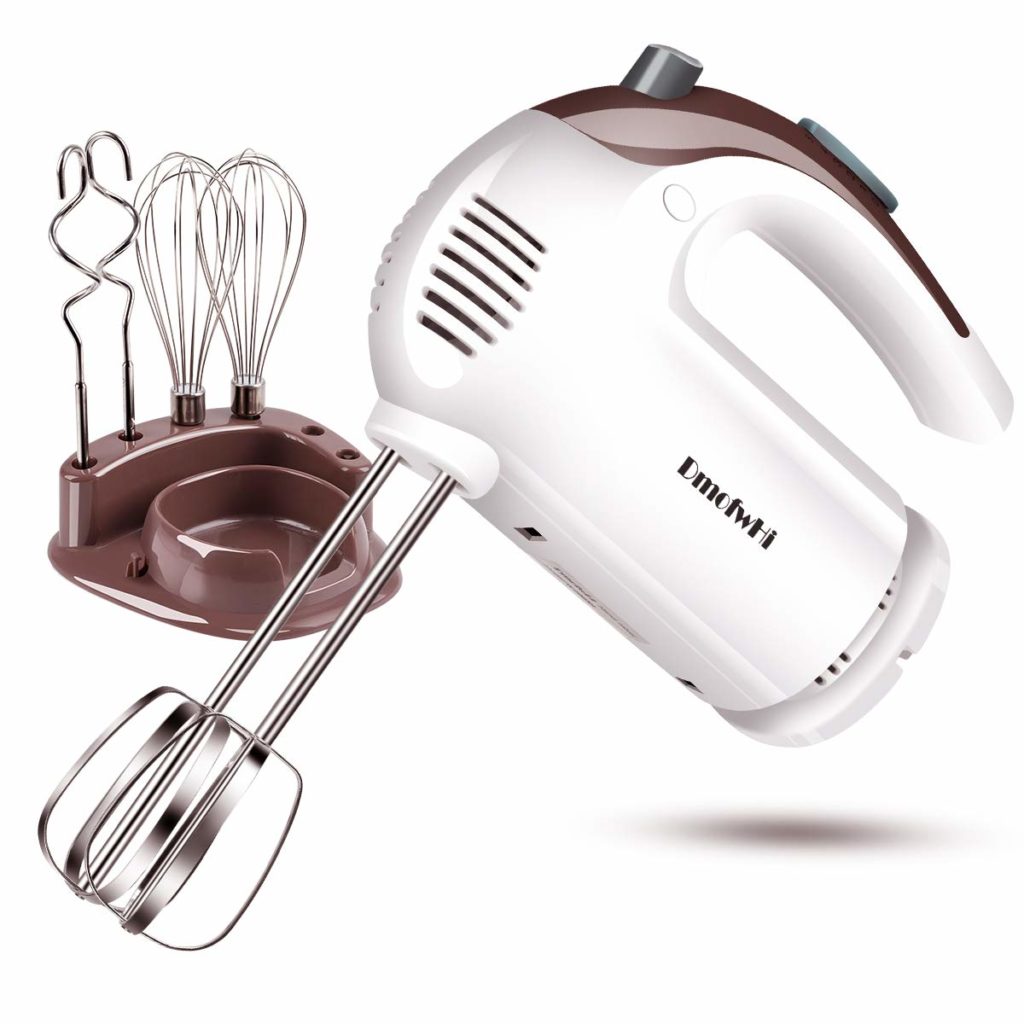
Normally hand mixers are equipped with two traditional beaters, but you can find mixers with a greater number of attachments; with, for example, a wire whip and/or dough hooks, which will enable you to do more things with your mixer.

Given their low price (from less than $15 to about $100) it is good to have some of these hand mixers in your house. The exact price you will have to pay depends on their functionality and construction.

Characteristics of hand kitchen mixers

1. Number of speeds: using hand kitchen mixers that have a greater number of speeds (5 or more), will give you greater control over the beaten mixture. For example, at the slowest speed you can start to beat the ingredients without scattering them out of the bowl. At a fast speed you can create the air volume that is needed to beat egg whites or cream.

2. Weight and noise during operation: you will work more pleasantly with light, silent and well-balanced hand mixers. A weight of about 2 pounds (0.91 kg) is acceptable.

3. Design: it will be more comfortable for you to hold kitchen mixers that have a handle bent to the rear than those whose handle is parallel to their body. With such a handle, you will reduce the tension in your hand while working.

For cleaning after use, it is better to have a mixer with a simple design; i.e., without too many fittings and details where dirt can gather over time.

Some hand mixers are equipped with a base that includes a mixing bowl, as with the stand mixers, and you can separate the mixer from this base. The good thing here is that, in addition to the mobility of hand mixer, you have an extra mixing bowl.

There are also mixers with only one beater (also known as hand blenders). However, with these elegant devices you have more limited possibilities for use.

Hand blender

Advantages of hand mixers in comparison with stand mixers…

  • they save space on you countertop area; they are small, compact, and easily stored (you can put them in a drawer).
  • their price is lower than that of stand mixers, yet they enable you to perform many tasks in the kitchen in the same way as you would with a stand mixer.
  • because of their mobility (some do not even require a cable) they will be easier to use when performing simple tasks. In addition, you can use them to stir in your favorite bowl, as opposed to with a stand mixer, when you have to use the bowl that comes with the mixer.

Disadvantages…

  • hand mixers are not sufficiently robust to withstand intensive use or to perform heavy-duty tasks (for example, kneading bread) because of their delicate construction and low power.

Click here to view some high quality hand mixers.

See also:

Ganka Vasileva is the owner of http://www.helpful-kitchen-tips.com, a website containing useful information about the kitchen; about the equipment of this greatly-used room in our home that occupies a special place in our lives. Buying guides for kitchen cutlery, small appliances, cookware & bakeware, kitchen furniture, storage & organization, plumbing, etc.